
MODERNISM IN IRISH ARCHITECTURE
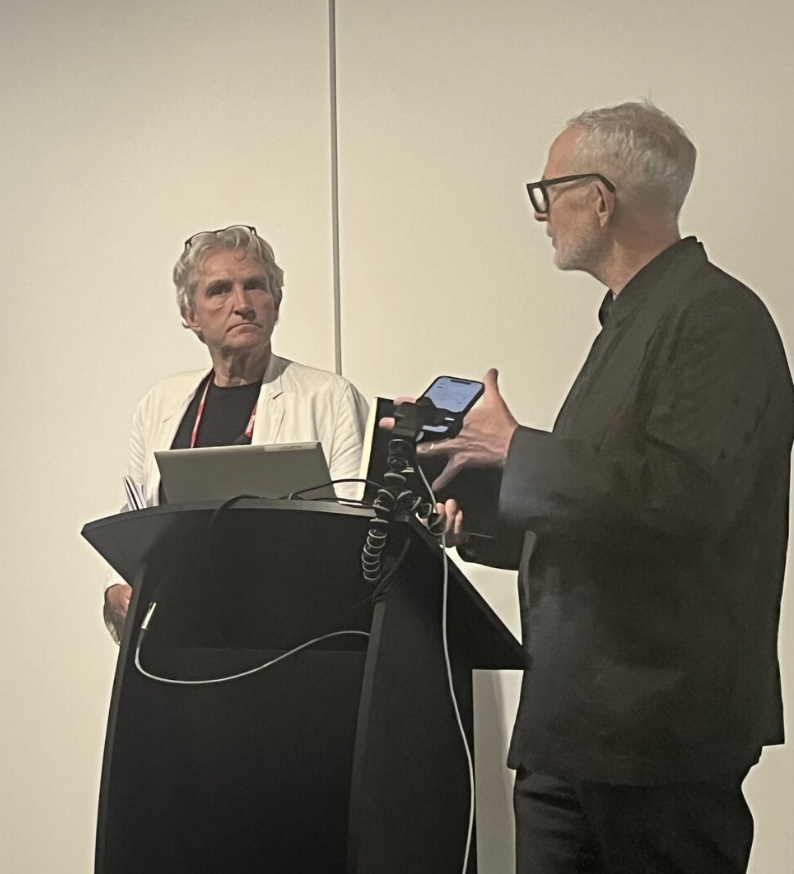
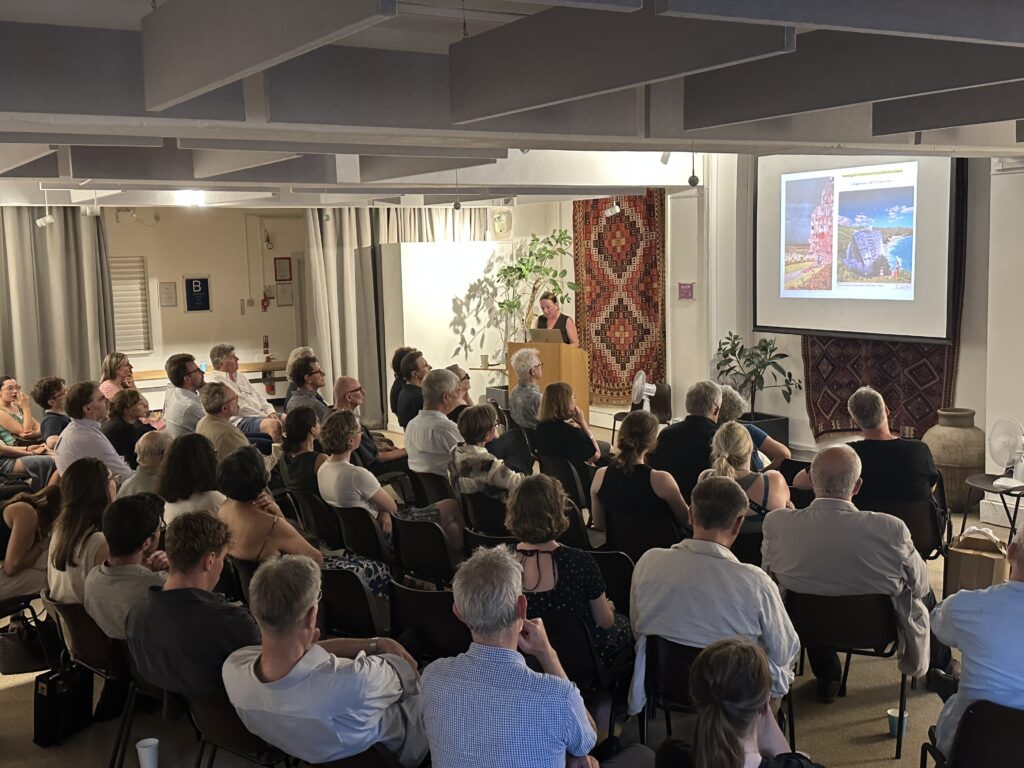
The programme of distinguished speakers organised and curated by Keith across June and July opened up this immense and diverse subject:
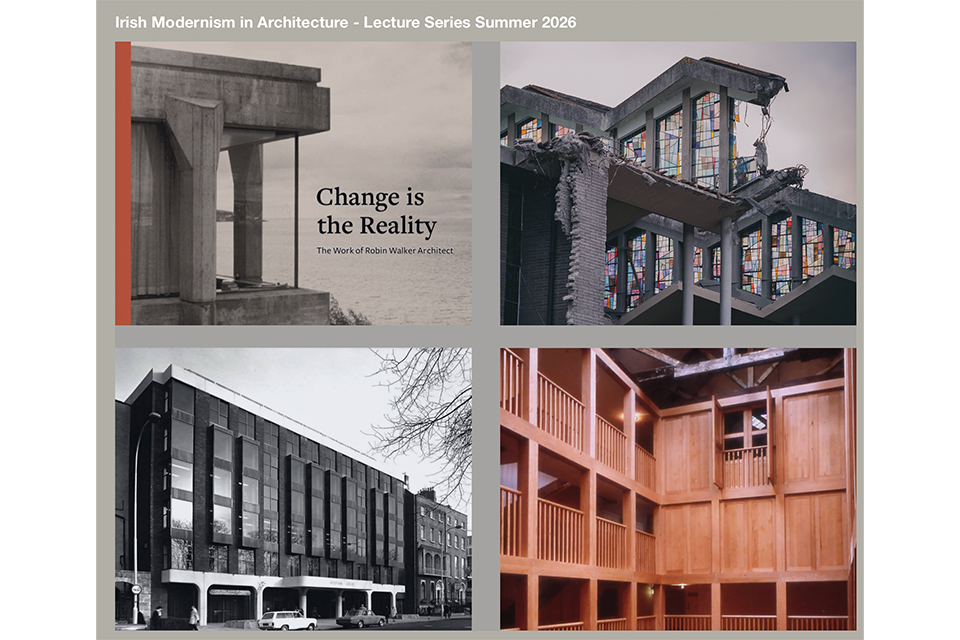
2 June : Dr Patrick Lynch : Progress is a Myth, Change is the Reality
“On Poetics, Myth and Modernity in the Architecture of Robin Walker”
22 June : Dr Ellen Rowley : (University College Dublin)
“Cement and Sacraments: Architectures of Irish Catholic Modernism”
+ film screening of Fiona Hallinan’s Making Dust
6 July : Dr Carole Pollard : PPRIAI
“Rise from Tumbledown Decay – Dublin’s office buildings of the 1960s and 1970s”
22 July Niall McLaughlin
“The work of de Blacam & Meagher”
HISTORIC CONTEXT
By 1922 as Ireland finally shook off British rule and the Irish Free State was formed, modernism was already a powerful force in literature through WB Yeats, James Joyce and others.
Architecture and construction are always downstream of art and literature which are much more nimble affairs. Modernism in architecture began to emerge as the country aimed to project a new, national identity, gaining huge momentum in the years after WWII as the government and major institutions modernised and expanded.
Key public buildings included Busáras (Central Bus Station Dublin), Liberty Hall Dublin, The American Embassy, the Central Bank of Ireland, the Irish Management Institute (IMI), the Arts Faculty Building, Maynooth University, Co. Kildare, as well as a large church building programme reflected the role of a new modernism in forging the architecture which came to symbolise the social, religious and political ambitions of the new Ireland.
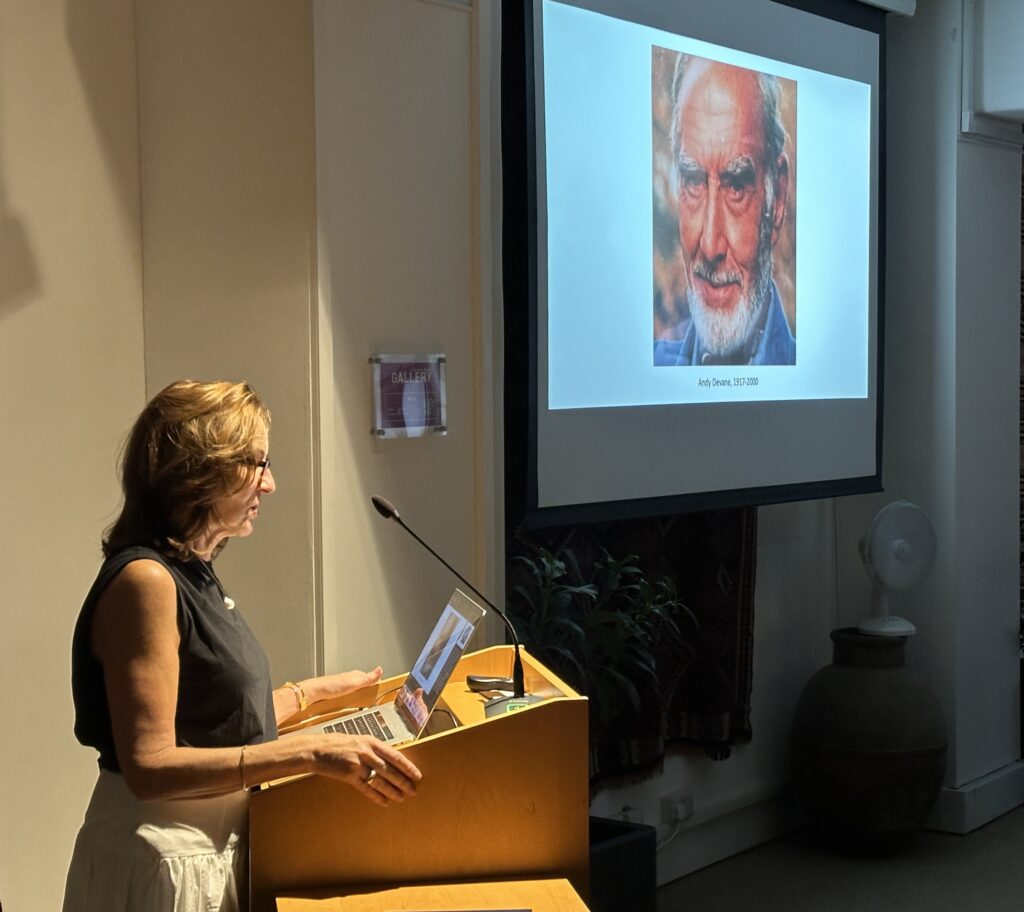
Great architects emerged such as Sam Stephenson, Arthur Gibney, Michael Scott, Ronnie Tallon, Andy Devane, and Robin Walker alongside many others.
Whilst many of these pioneers of Irish Modernism were influenced by and in some cases worked for Frank Lloyd-Wright, Le Corbusier and Mies, later on we see the influence of Chamberlain, Powell and Bon and Louis Kahn on Shane deBlacam who worked for both and was pivotal in educating and shaping the next generation of leading Irish architects.
Particular thanks go to ARUP for hosting the final talk by Niall McLaughlin.